Client: Salford City Council
Value: £2,400,000.00
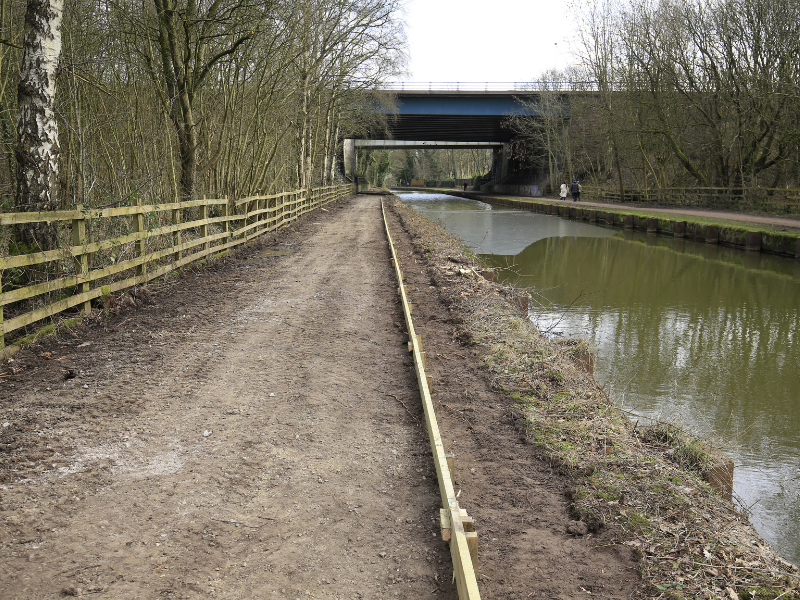
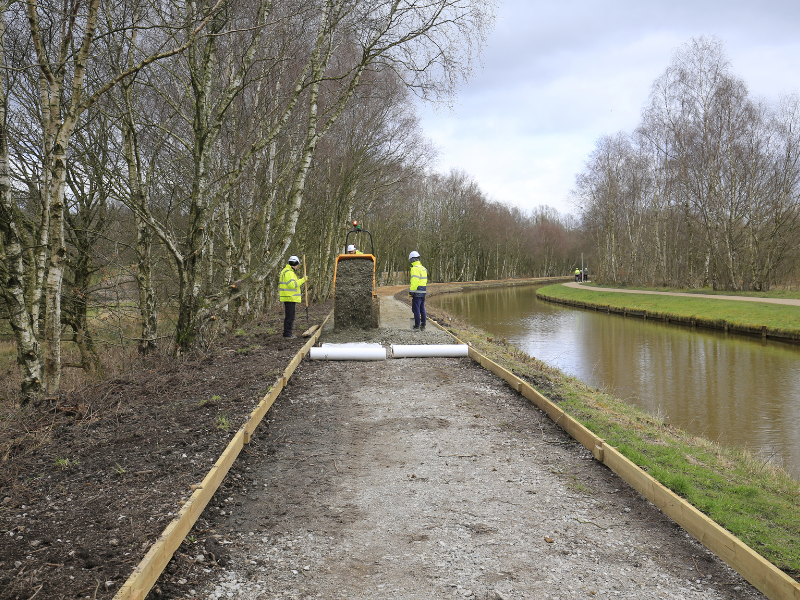
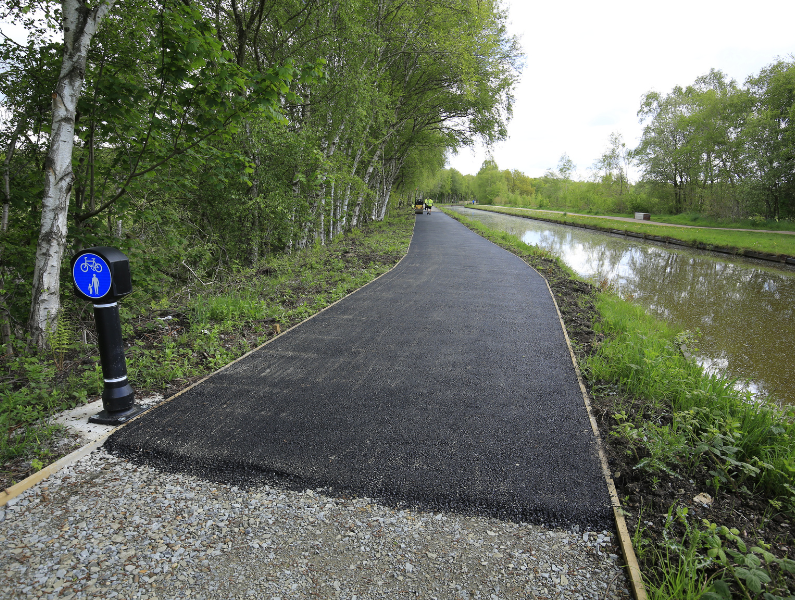
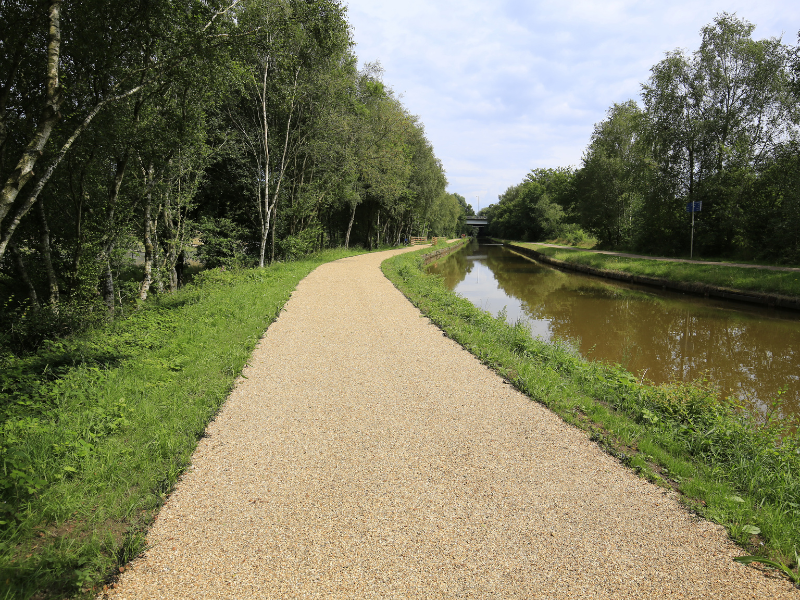
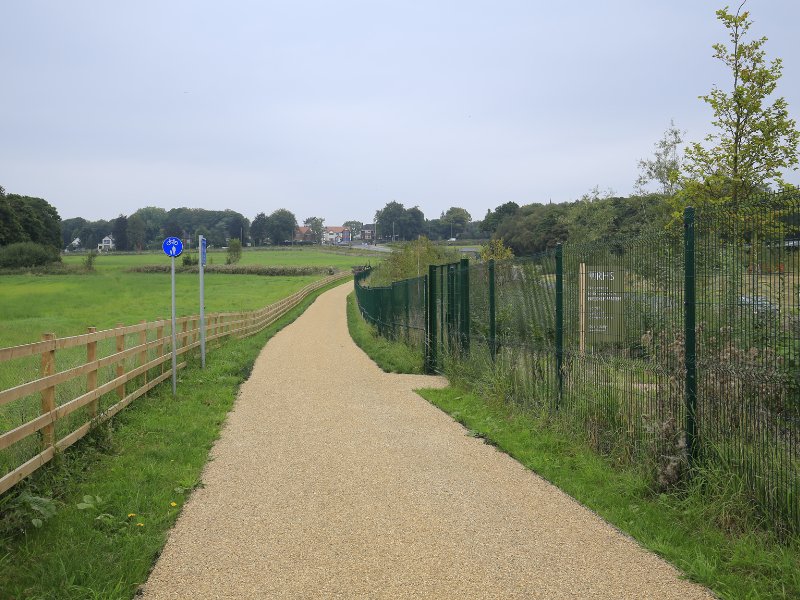
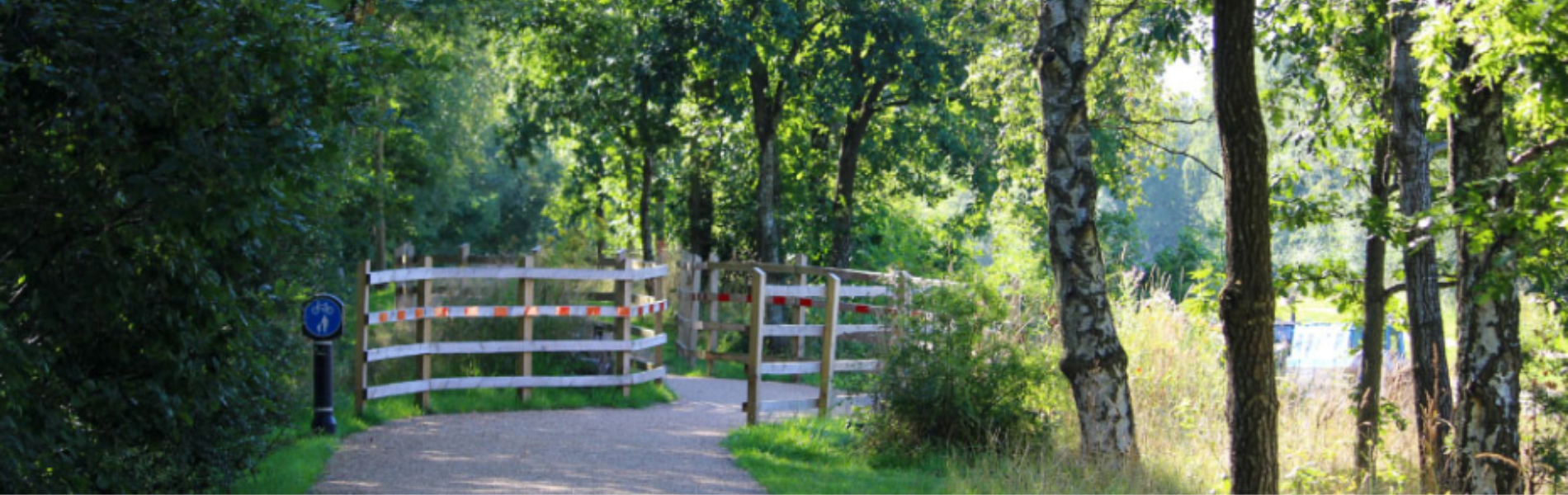
The RHS Bridgewater Walk & Cycle Link project delivered a significant enhancement to sustainable transport infrastructure within Salford, creating a safe, accessible, and largely traffic-free route between local communities and RHS Garden Bridgewater in Salford. Extending approximately 4.5 miles along the northern towpath of the Bridgewater Canal, the scheme was designed to remove barriers to movement, improve accessibility for all users, and encourage greater uptake of walking, wheeling, and cycling as practical alternatives to car travel.
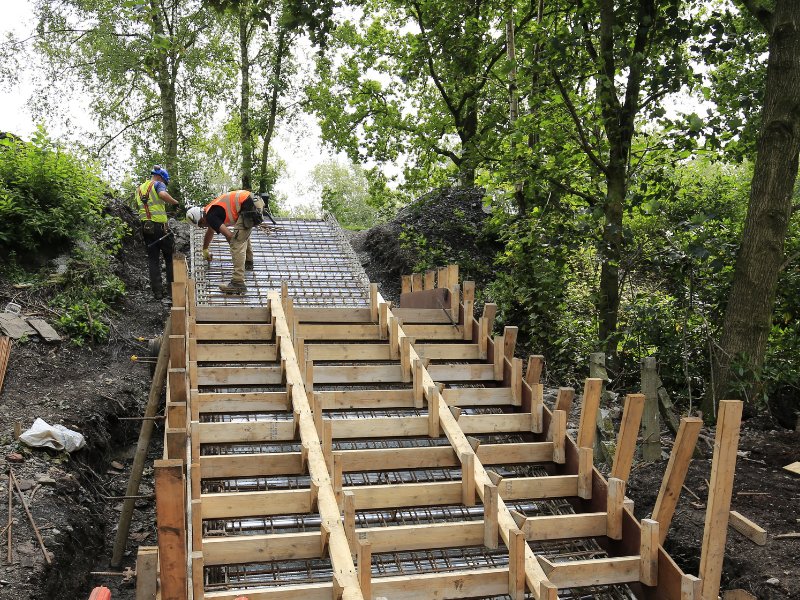
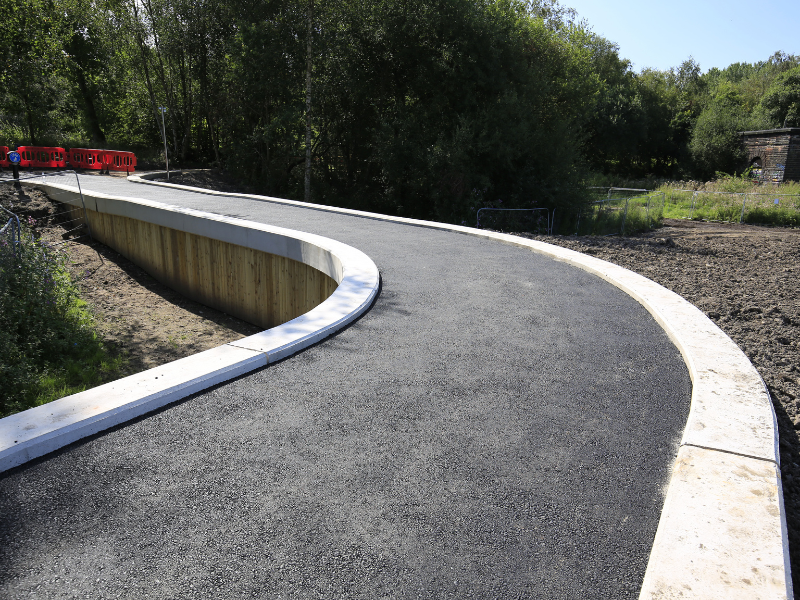
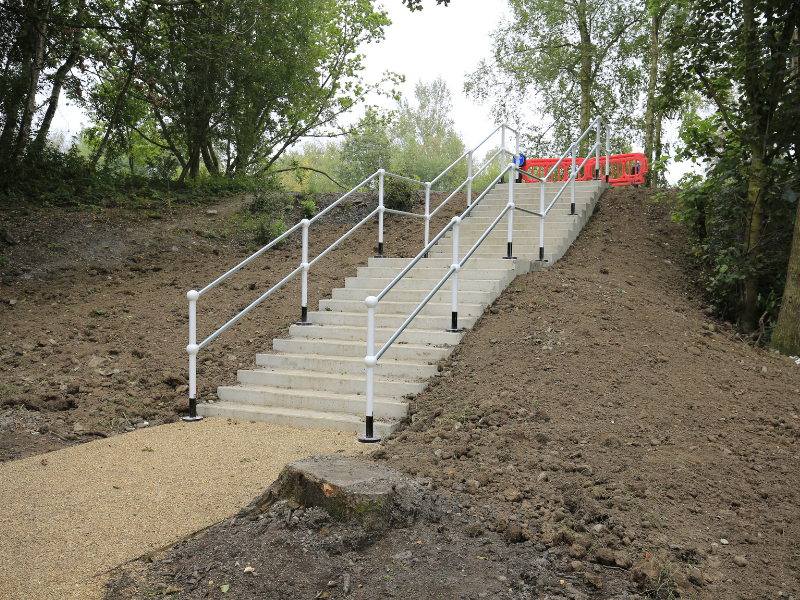
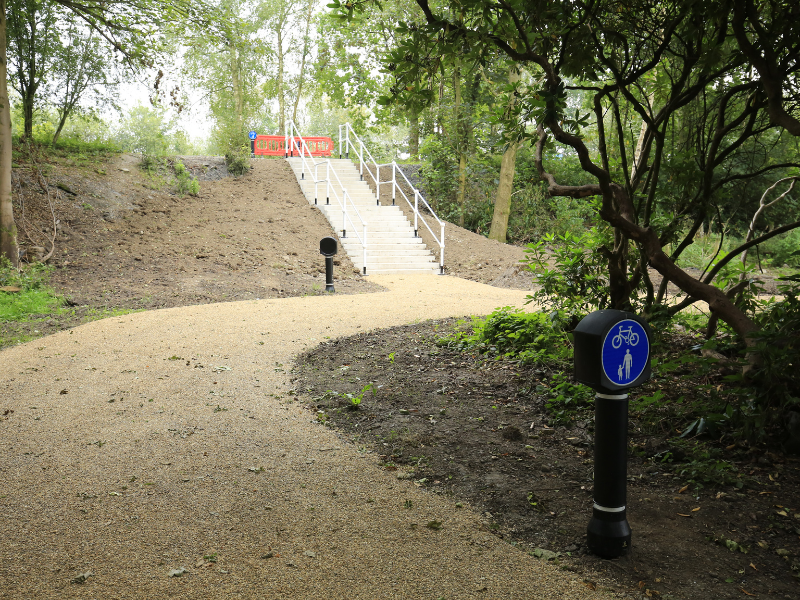
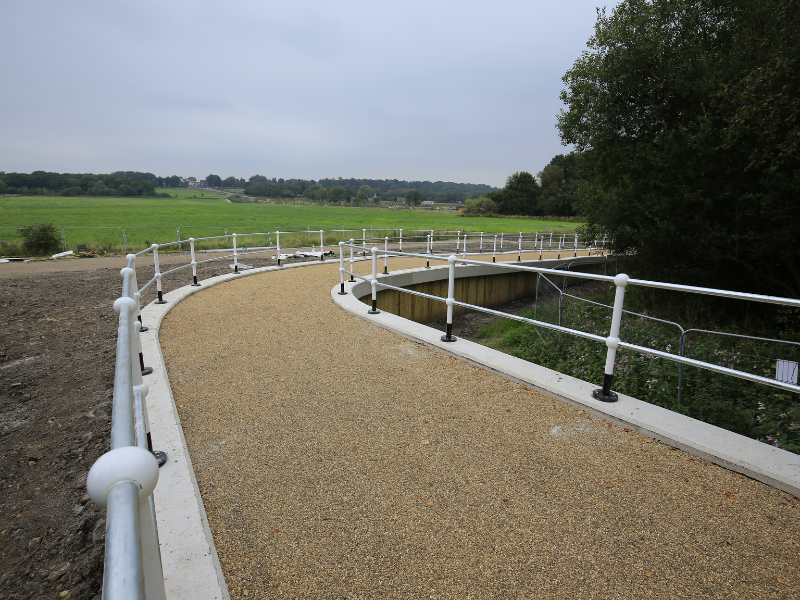
A key objective of the project was to provide inclusive and sustainable access to RHS Garden Bridgewater in Salford, one of the region’s most important visitor attractions, while strengthening connections between surrounding residential areas, public transport hubs, employment centres, and leisure destinations. The development of a new shared-use path linking the canal towpath directly to the garden was central to achieving this objective. The installation of a carefully designed gradient ramp, together with a complementary flight of steps, enabled users to safely navigate changes in ground levels, ensuring convenient access for cyclists, wheelchair users, mobility scooter users, families with pushchairs, and pedestrians of all ages and abilities.
The project also established a strategic north-south active travel corridor connecting RHS Garden Bridgewater in Salford with Walkden Railway Station and the wider traffic-free network. By utilising a combination of quiet residential streets, dedicated shared-use paths, and improved footways, the scheme significantly enhanced access to public transport facilities and created a seamless journey between local communities and the garden. Improved links to the A580 Guided Busway and Walkden Station have increased transport choice for residents and visitors, helping to reduce dependence on private vehicles and supporting more sustainable travel behaviours.
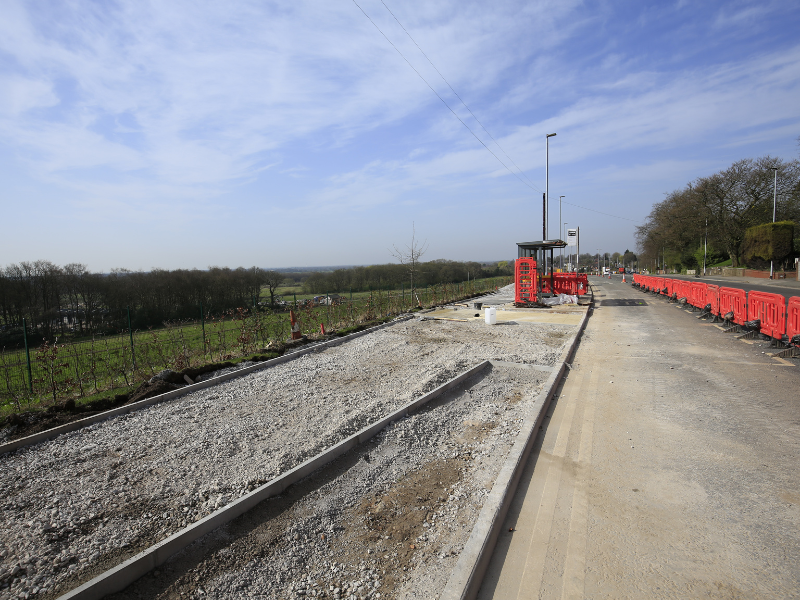
One of the most significant accessibility benefits of the scheme was the removal of several long-standing severance barriers that previously restricted safe pedestrian and cycle movement throughout the area. New and upgraded crossing facilities were introduced on key routes including the A580 East Lancashire Road, Leigh Road (A572), Walkden Road (A575), Barton Road (B5211), Occupation Lane, and Birch Road. These improvements created safer, more direct, and more convenient connections for users travelling to RHS Garden Bridgewater and other local destinations.
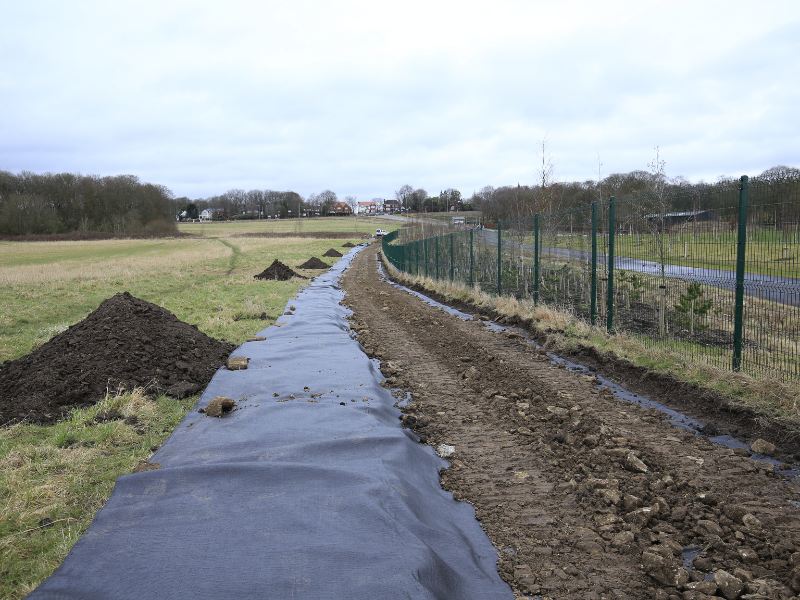
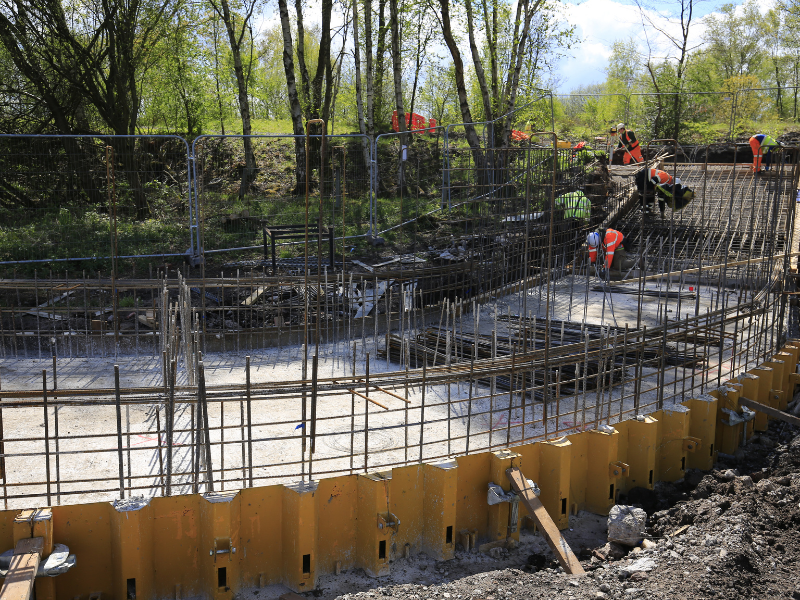
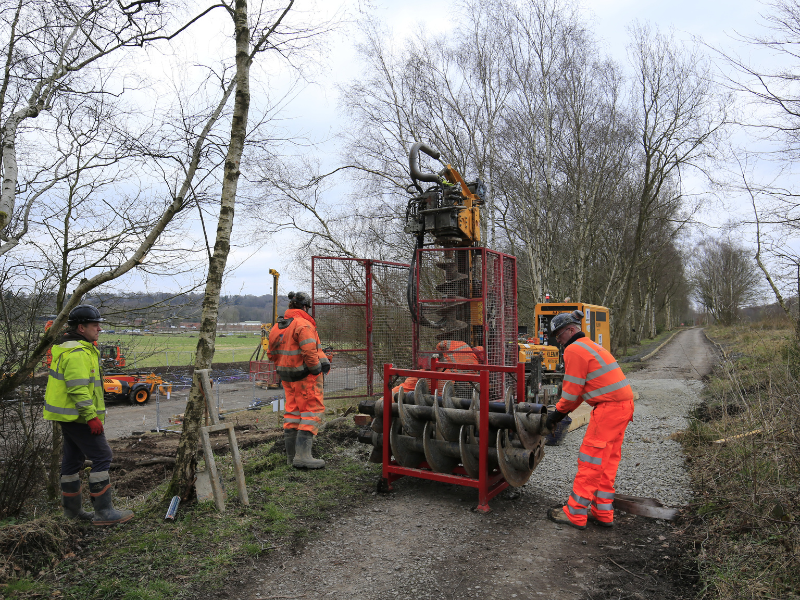
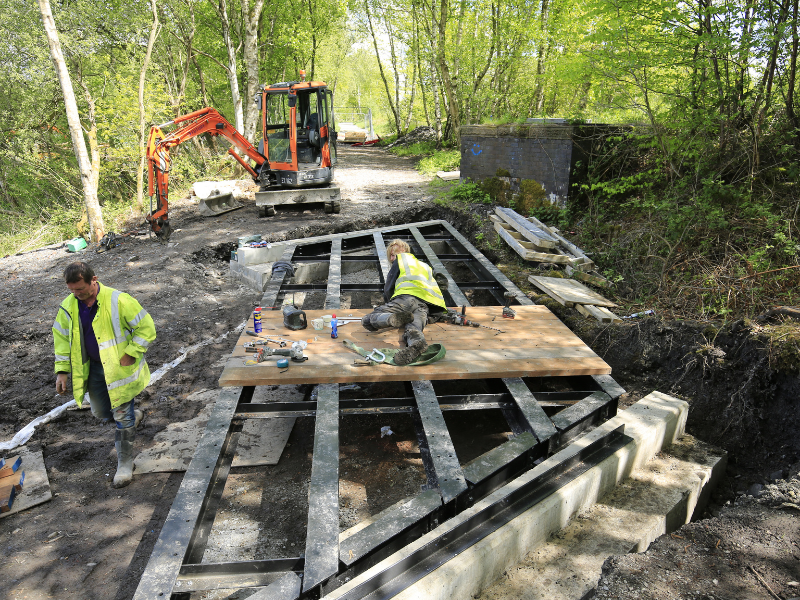
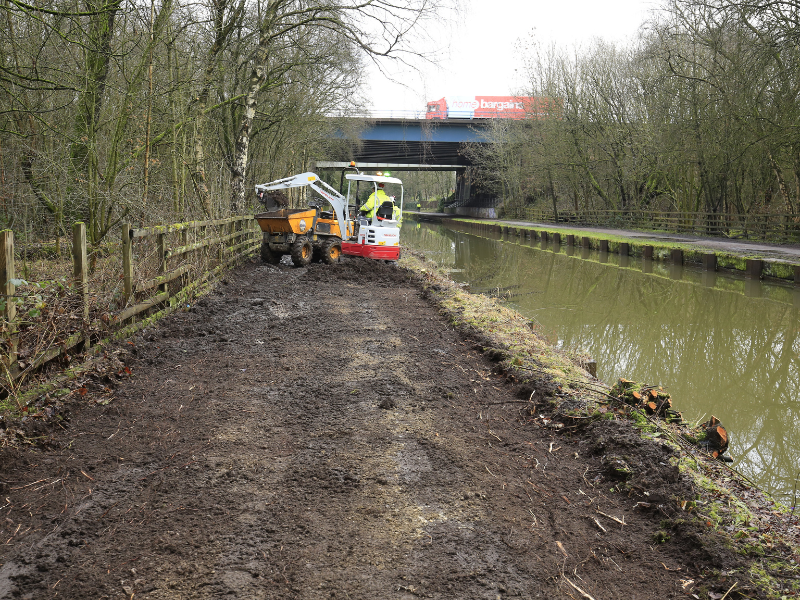
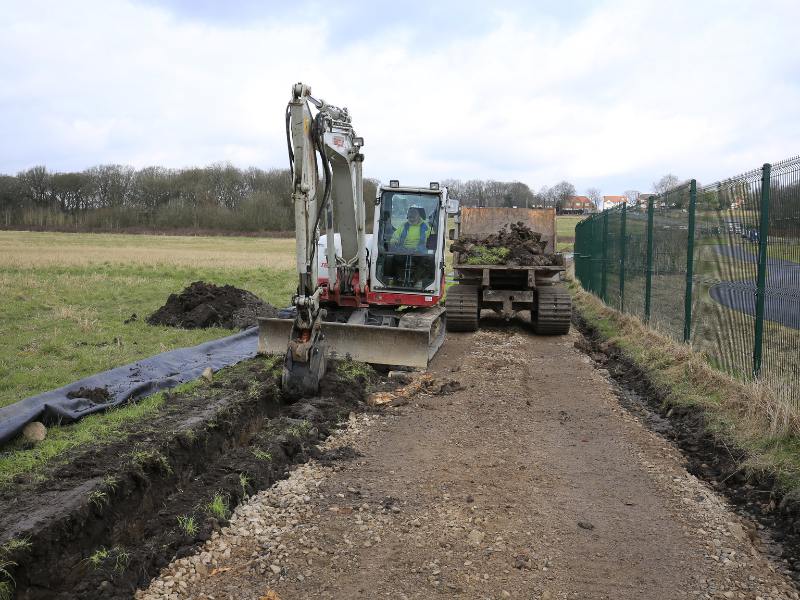
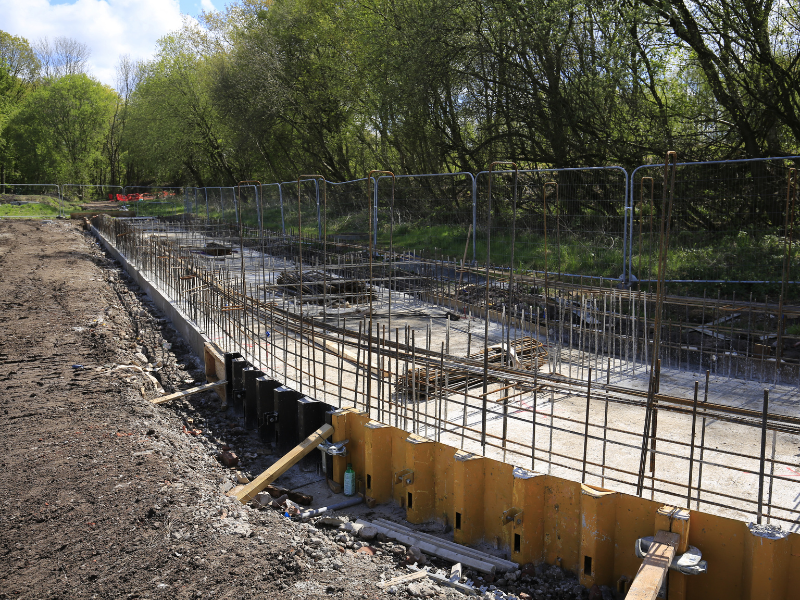
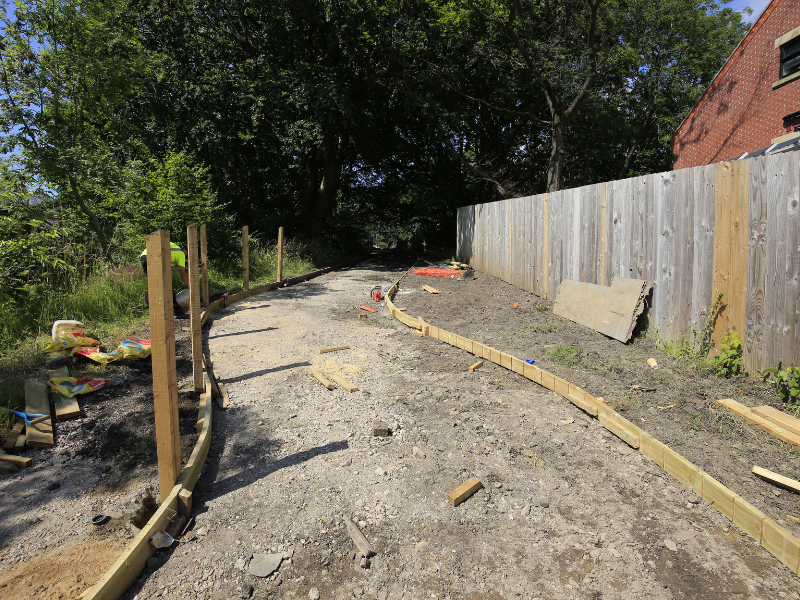
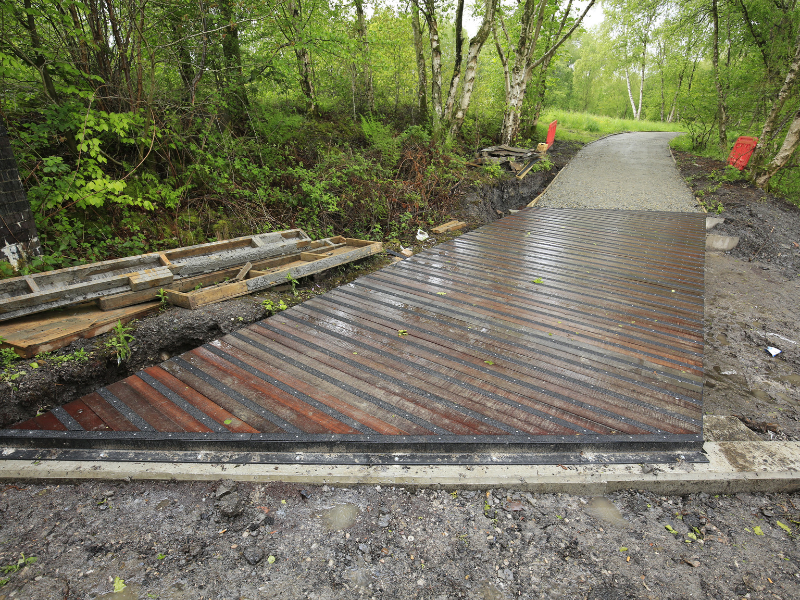
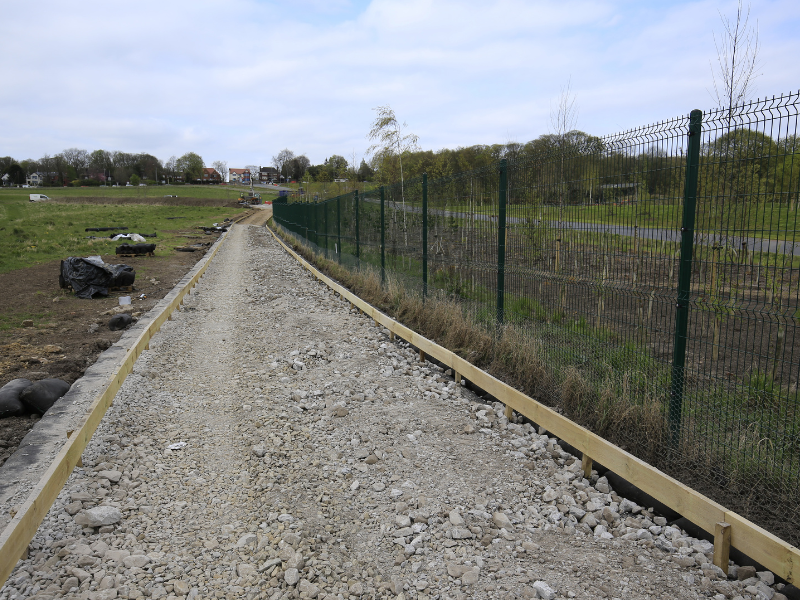
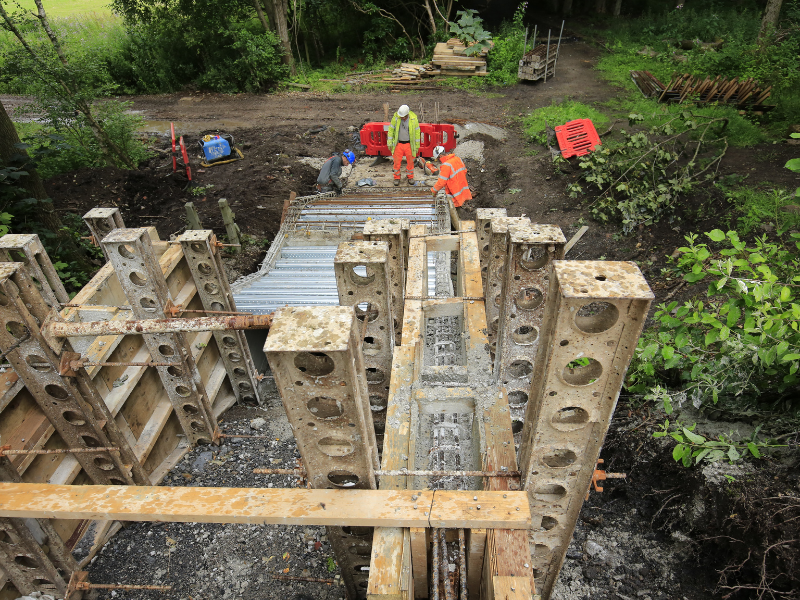
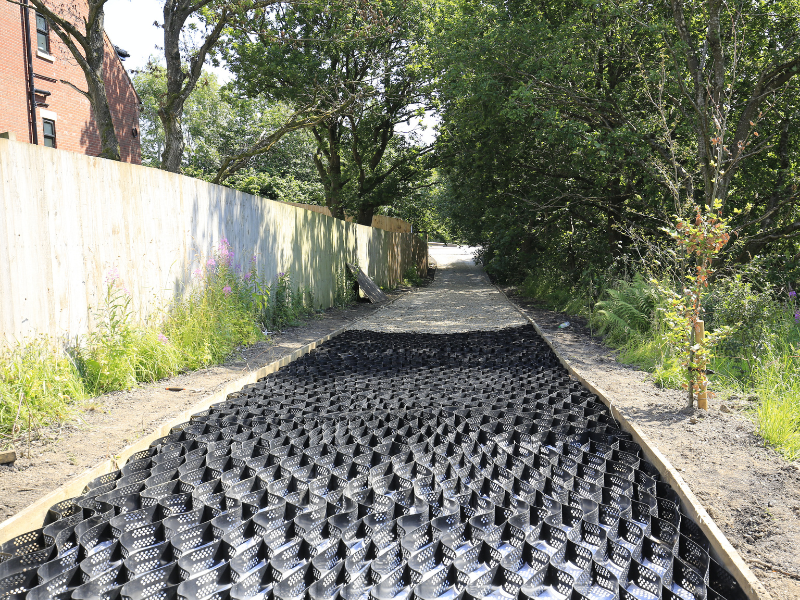
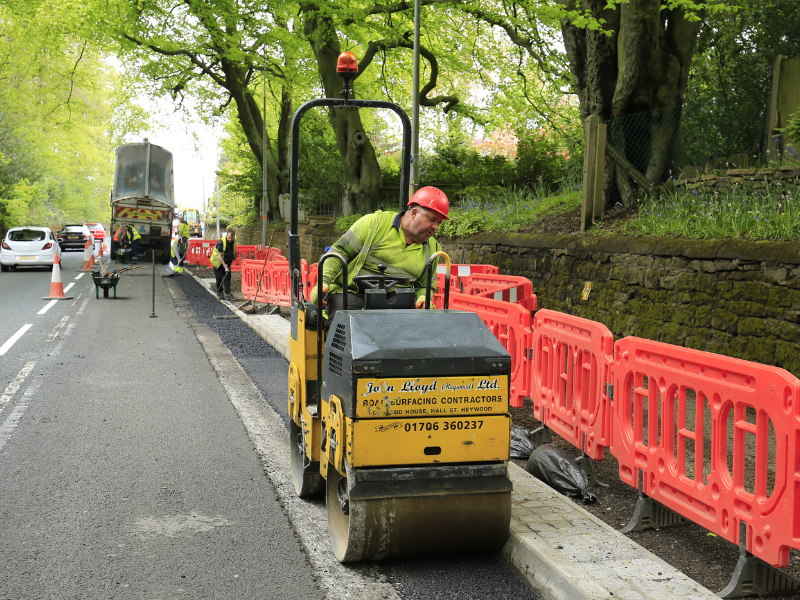
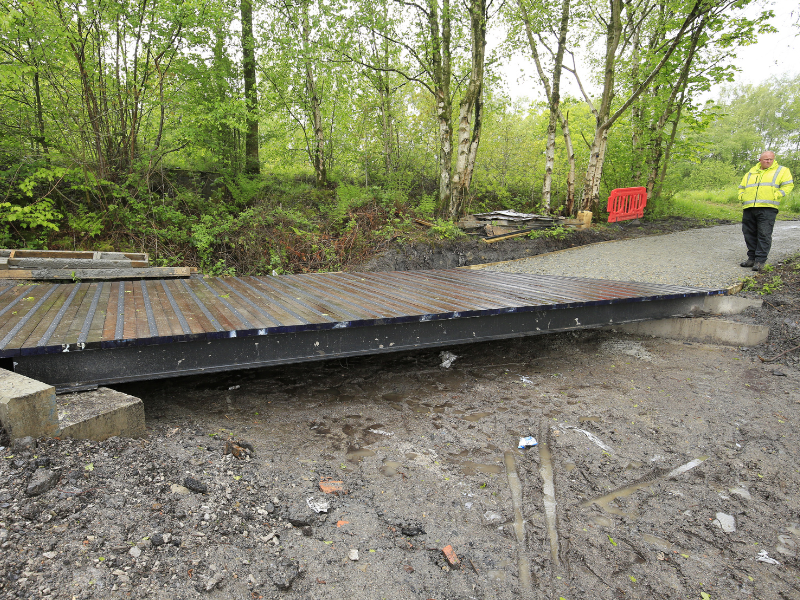
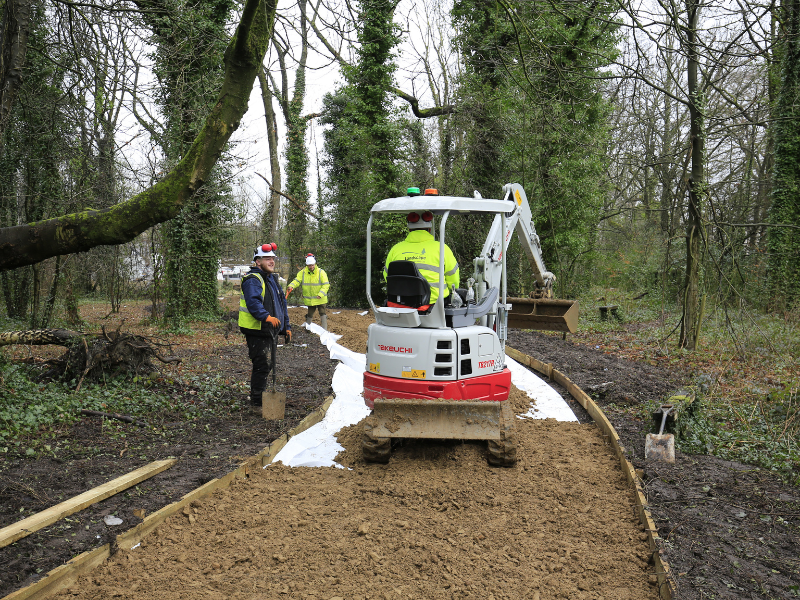
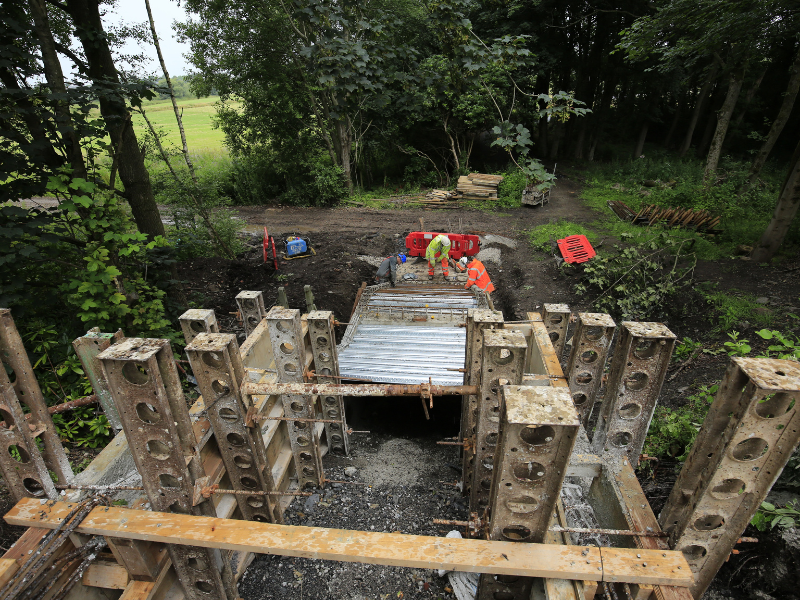
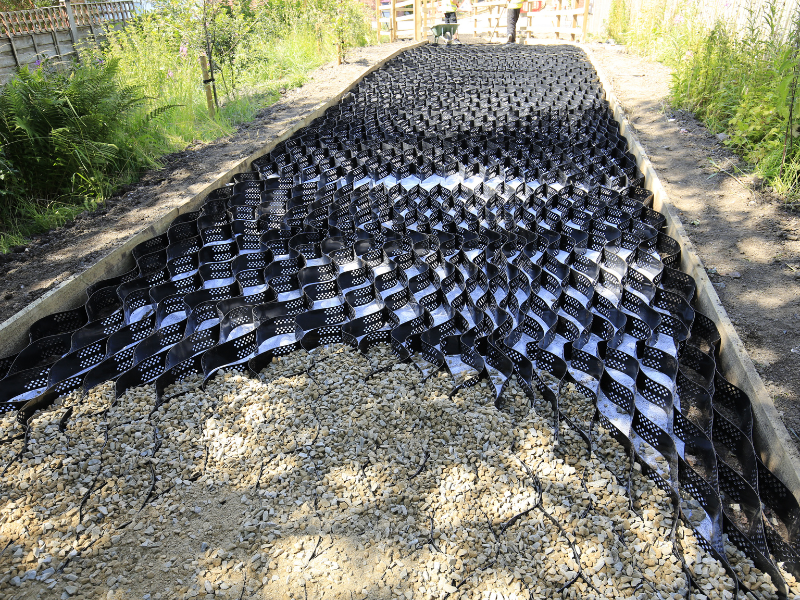
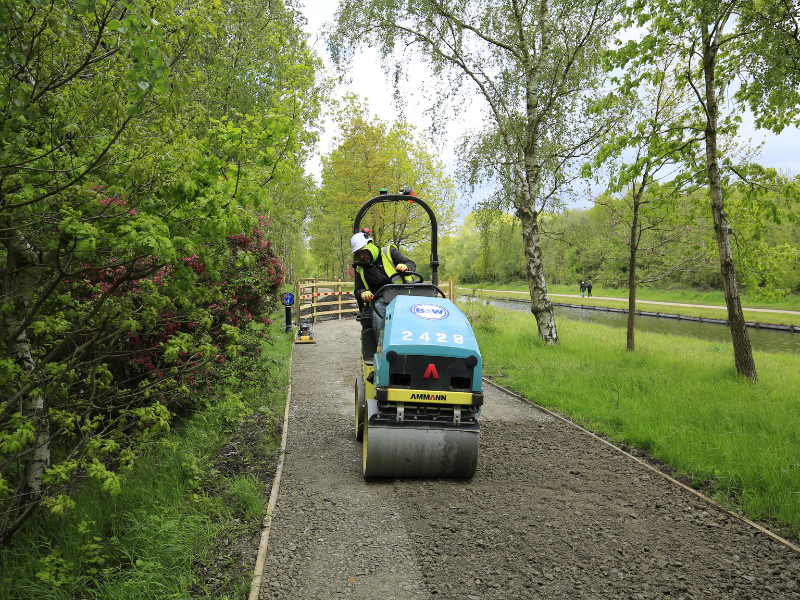
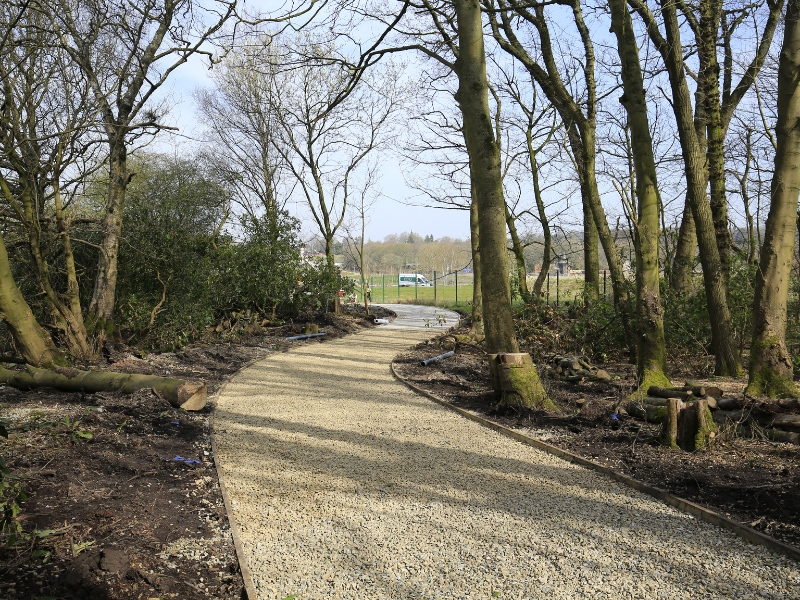
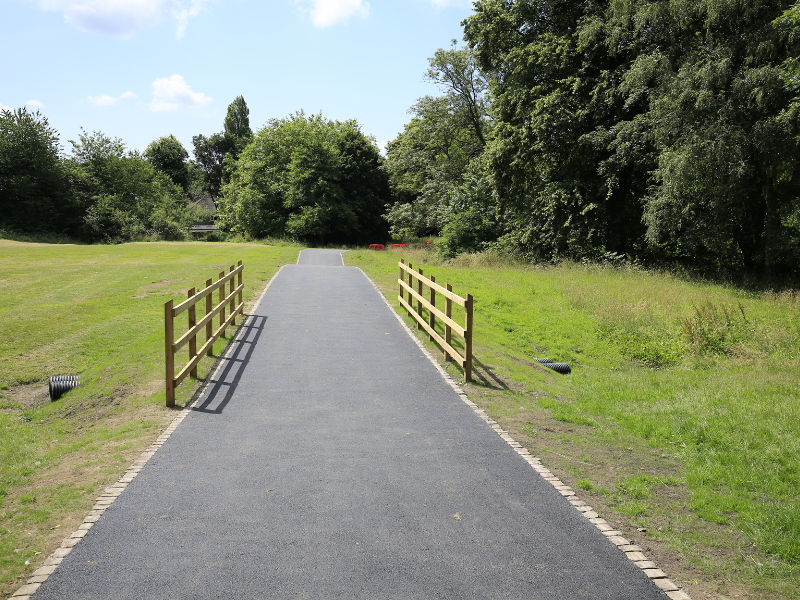
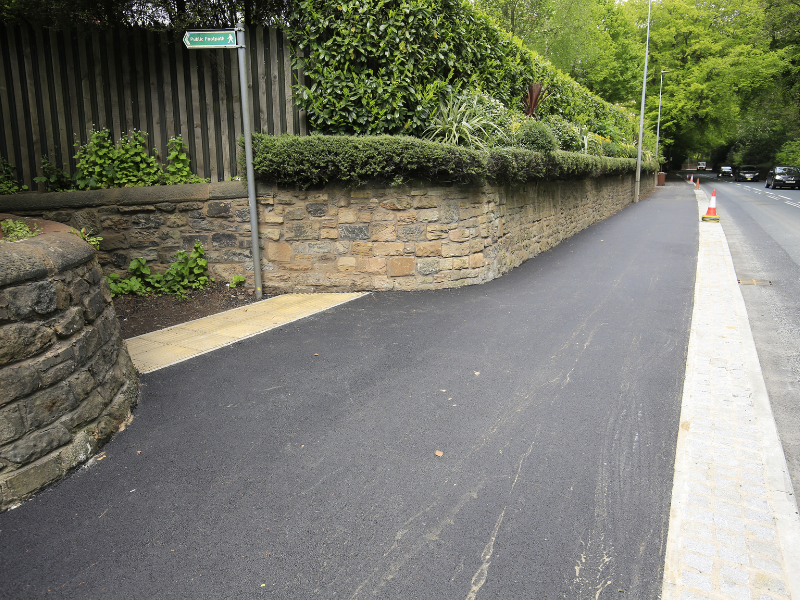
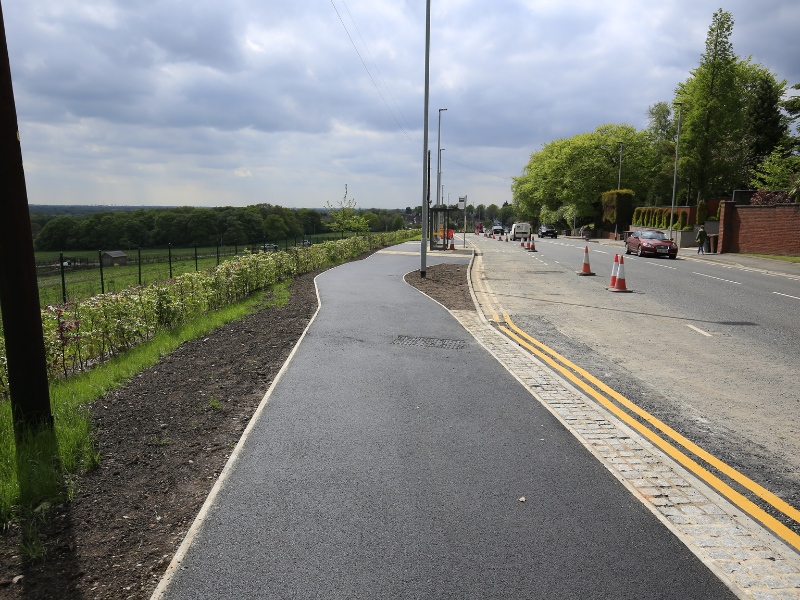
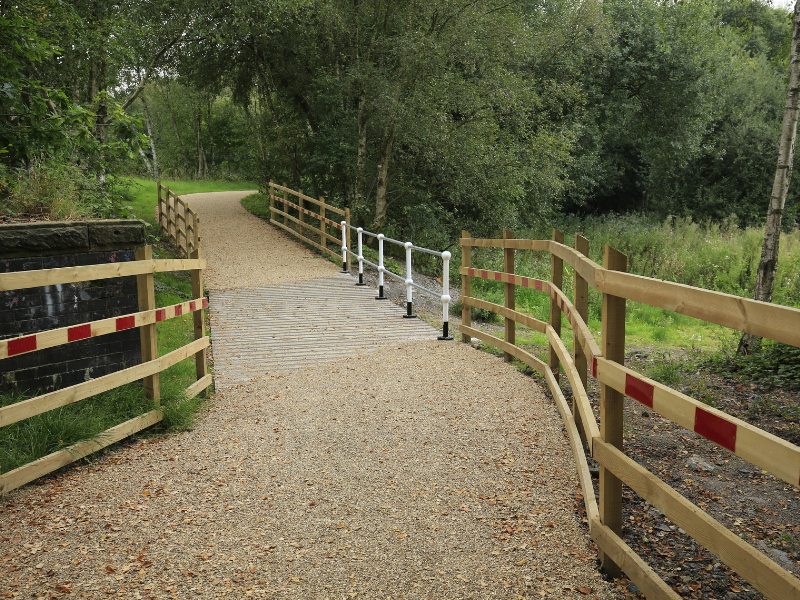
The works included the construction of new cycle paths following established routes and desire lines, supported by vegetation clearance, towpath improvements, bridge refurbishment works, resurfacing, seeding, handrail installation, and new cycle route markings. Existing bridges were refurbished and repainted to improve both functionality and appearance, while environmental enhancements and public realm improvements helped create a welcoming and attractive route for all users.
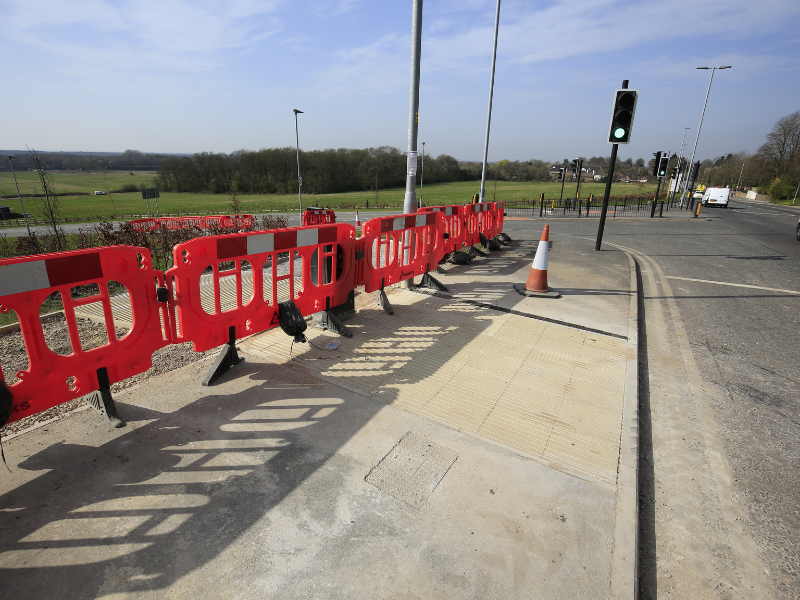
Additional accessibility measures included highway improvements, upgraded junctions, enhanced crossing points, dropped and transition kerbs, tactile paving, and new street lighting. Collectively, these features improved safety, route legibility, and accessibility for all users, particularly those with visual impairments, reduced mobility, or other accessibility requirements.
Delivered through a partnership between Salford City Council, Transport for Greater Manchester (TfGM), the Royal Horticultural Society (RHS), Peel L&P, Worsley Park Marriott Hotel & Country Club, and Asa Homes, the scheme has created lasting benefits for local communities. Beyond improving access to RHS Garden Bridgewater in Salford, the project connects residents to employment opportunities, public transport services, TraffordCity, local amenities, and the wider regional walking and cycling network.
The completed scheme represents a transformative investment in active travel infrastructure, successfully improving accessibility, connectivity, and community wellbeing while supporting healthier lifestyles, sustainable travel choices, and long-term economic and environmental benefits across Salford and the surrounding area.