Client: Appletons
Value: £73,000.00
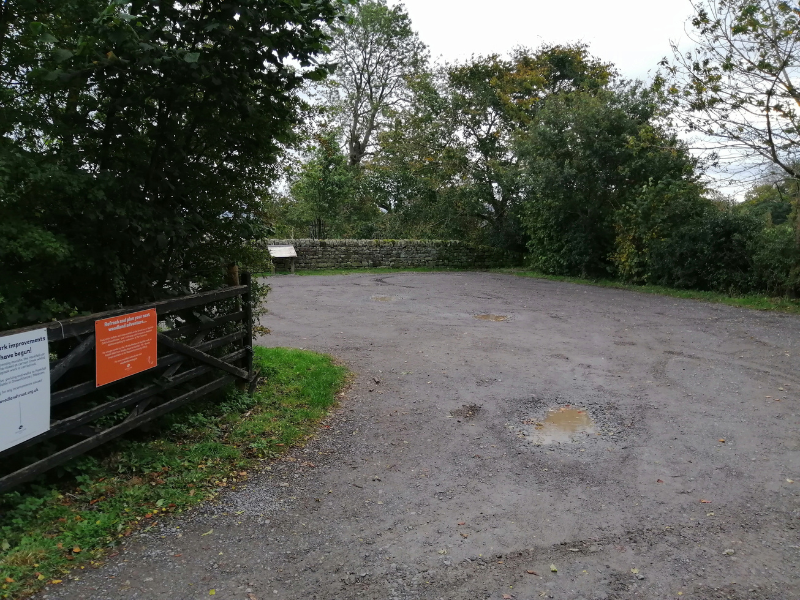
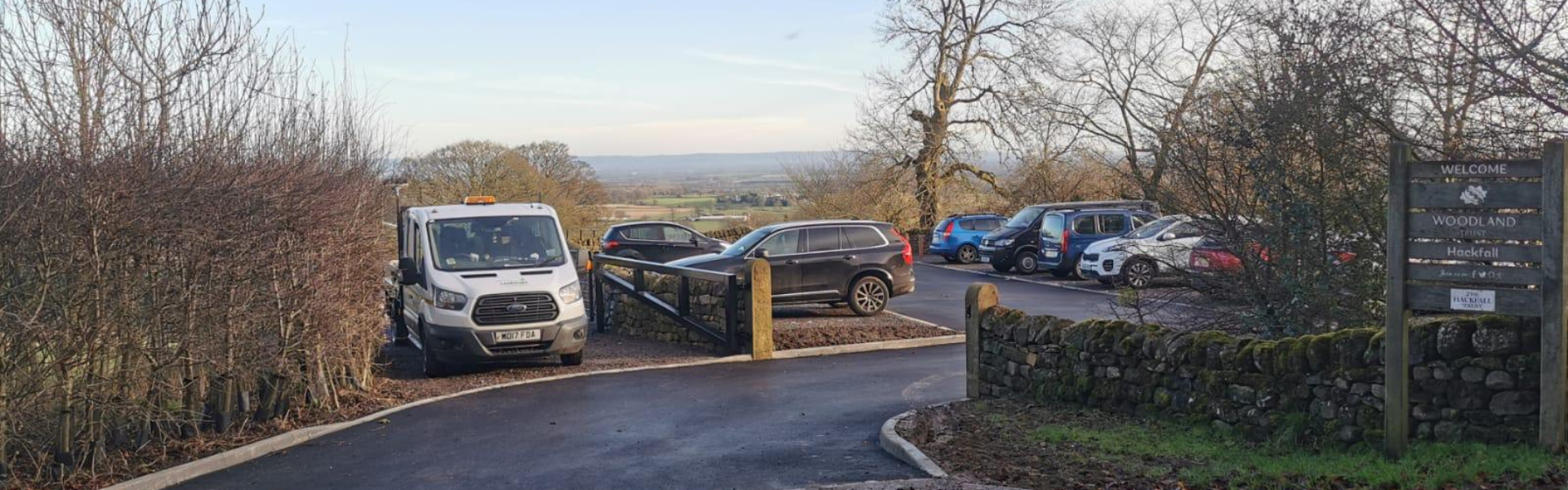
The project at Hackfall Woods, near Ripon, North Yorkshire, was undertaken for Appletons on behalf of the Woodland Trust and involved the construction of an enhanced visitor car parking facility designed to improve accessibility, capacity, and the overall visitor experience while respecting the site’s unique environmental and landscape setting.
A key objective of the scheme was to deliver a high-quality surfaced car park that integrated sympathetically with the surrounding woodland and countryside. The design was carefully developed to retain the site’s existing character, preserve notable landscape features, and minimise visual impact within this sensitive rural location. Sustainability and environmental considerations were central to the project, ensuring that the completed works complemented the natural setting and aligned with the Woodland Trust’s conservation objectives.
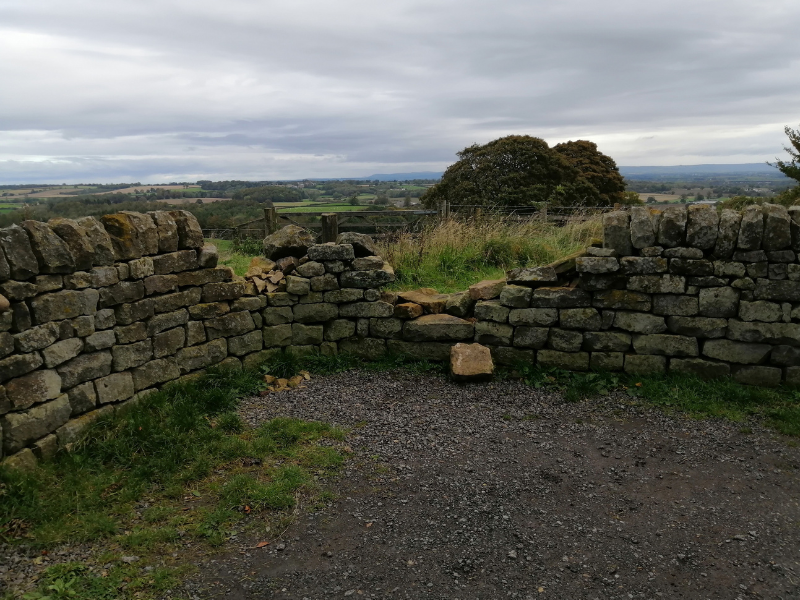
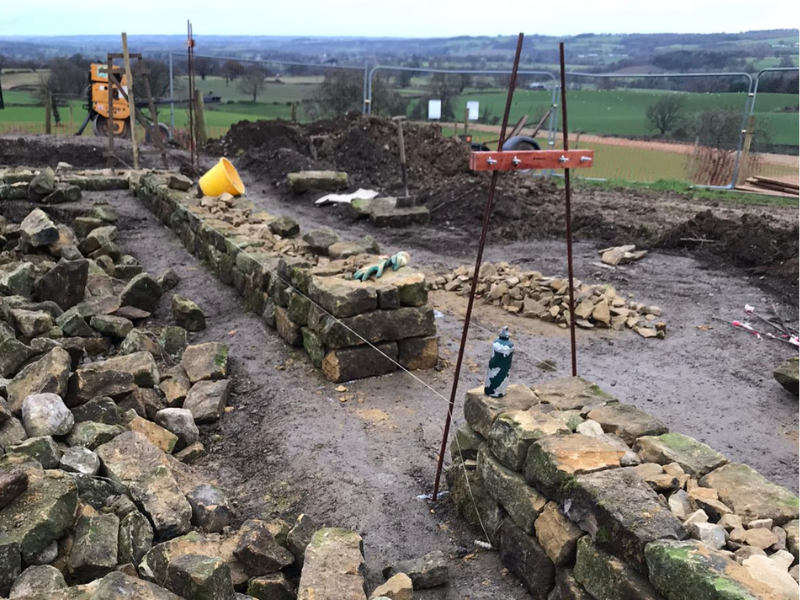
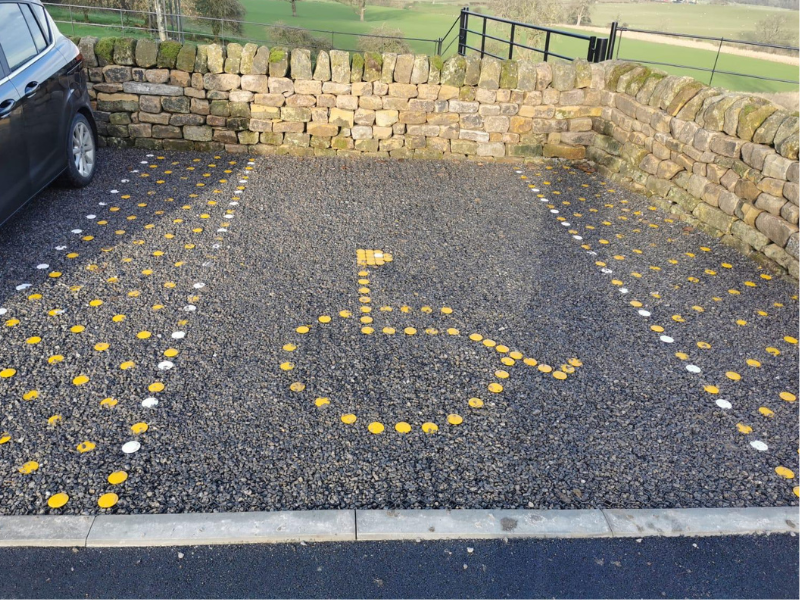
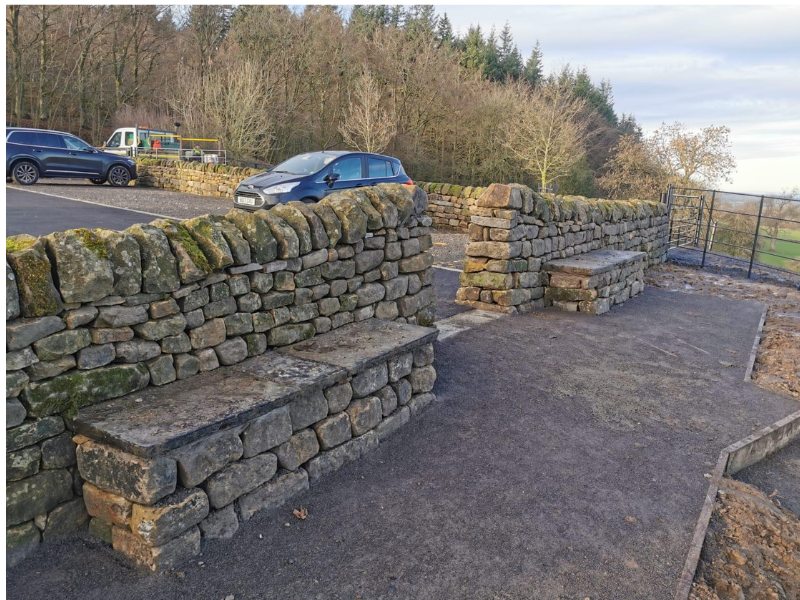
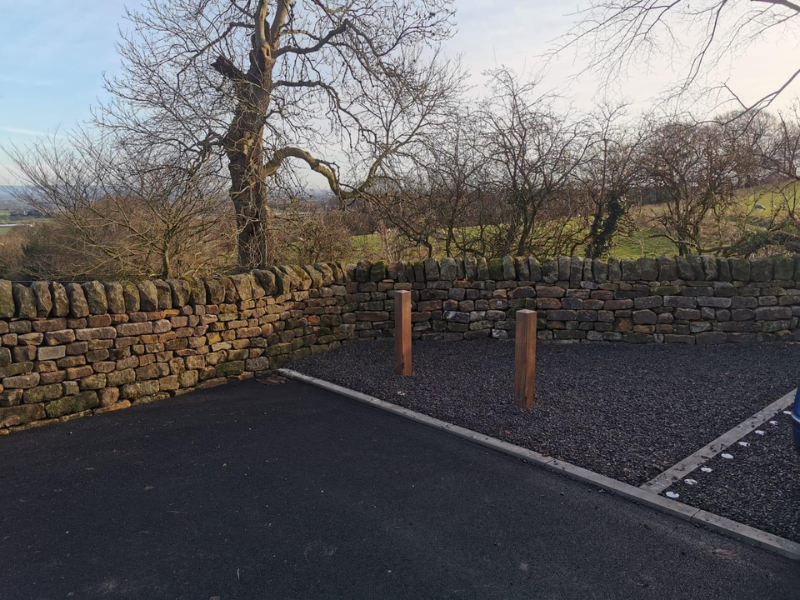
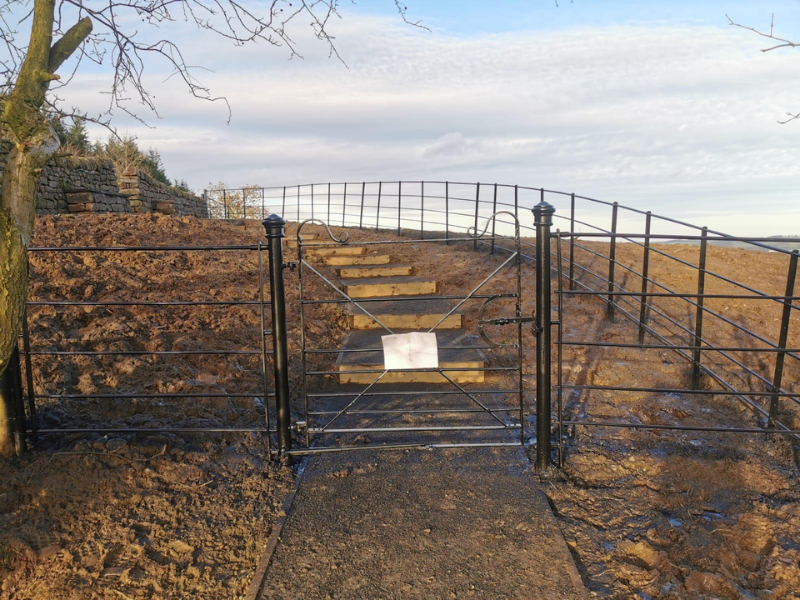
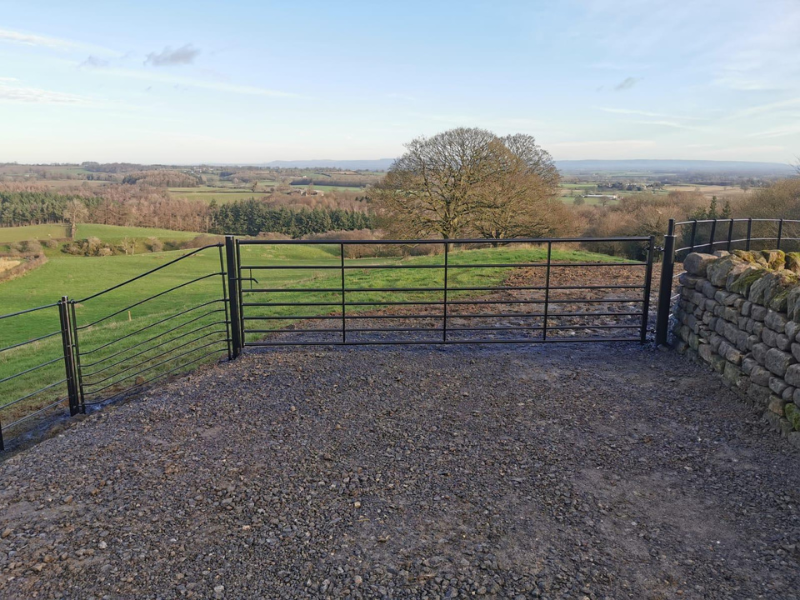
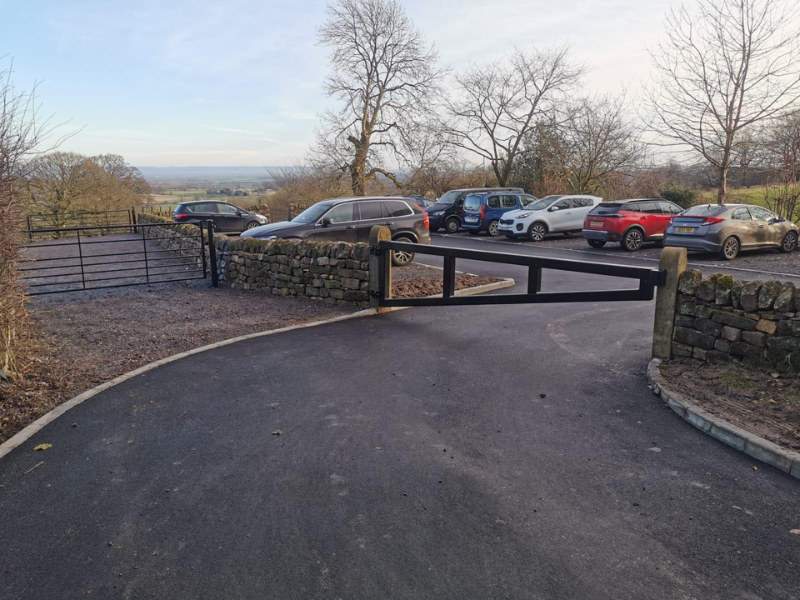
The site covered approximately 1,200m², and full planning permission was successfully obtained for a range of improvements. These included the extension of the existing car park to provide 19 permanent parking spaces, the installation of a dedicated disabled parking bay to improve accessibility, and the incorporation of sustainable urban drainage solutions through the use of permeable surfacing materials. Additional elements of the approved scheme included the resurfacing of the existing car park, improvements to pedestrian footpaths, and the installation of sympathetic boundary treatments featuring traditional dry stone walling and estate railings.
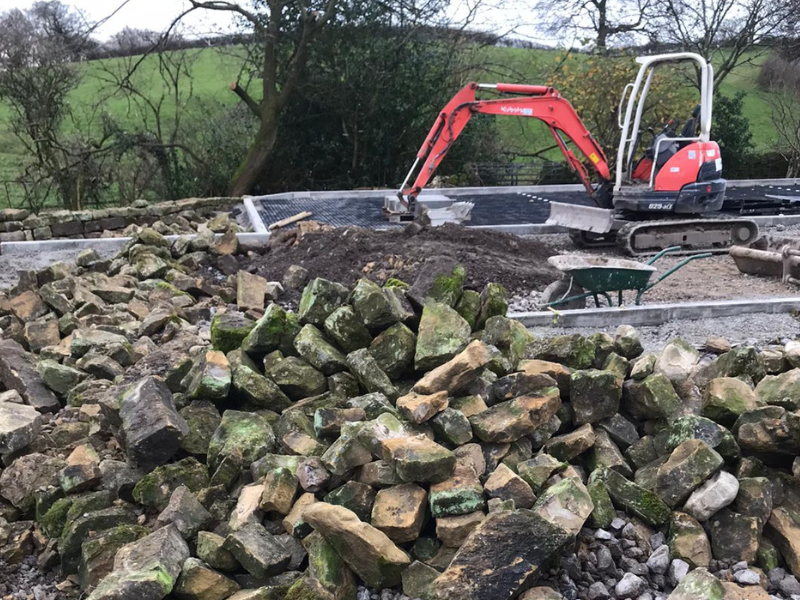
The construction phase involved significant preparatory and infrastructure works. Existing fencing, access gates, and sections of dry stone walling surrounding the original car park were carefully broken out and removed to facilitate the extension and reconfiguration of the site. Suitable excavation and ground preparation works were undertaken before the importation and placement of MOT Type 1 sub-base material to provide a stable foundation for the new parking area and associated pathways.
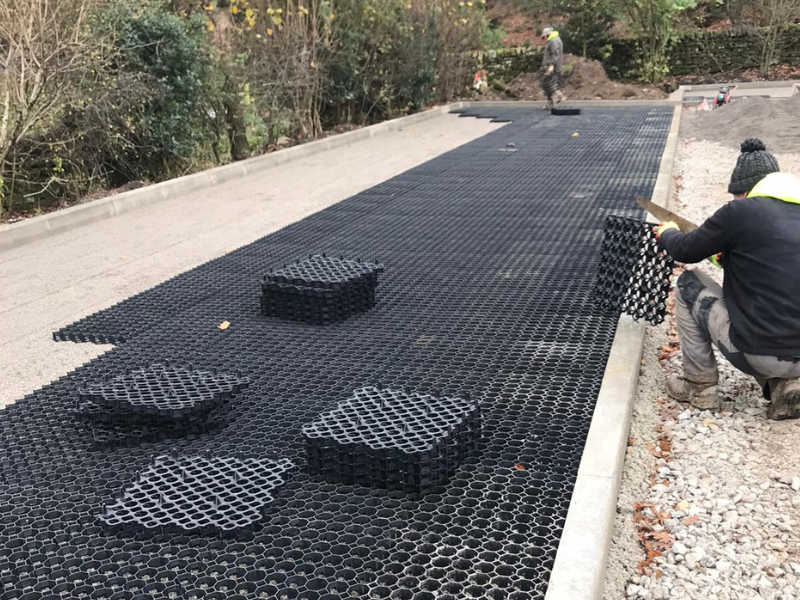
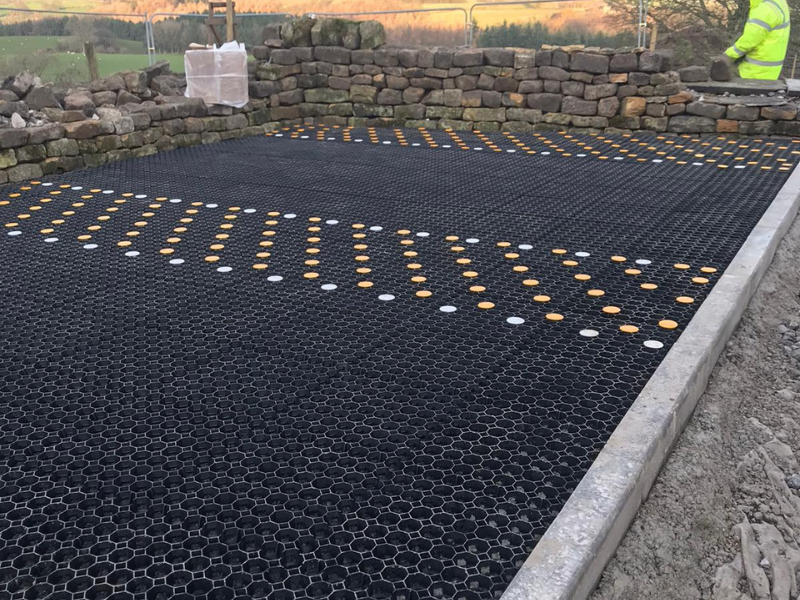
Concrete kerbs were installed to clearly define and separate parking bays from circulation areas within the car park, ensuring both functionality and safety for visitors. Surfacing works included the laying of bituminous macadam (bitmac) base and wearing courses within designated areas, together with bitmac surfacing to pedestrian routes and pathways. To achieve the desired natural appearance and permeability requirements, the completed car park surface was finished using Geocell grid systems infilled with gravel. This solution provided a durable and sustainable surface while maintaining a visual character appropriate to the woodland setting.
An important aspect of the project’s success was the effective coordination and communication between all parties involved. Particular attention was required in managing the interface with a specialist dry stone walling contractor, nominated to construct the new boundary walling. Close collaboration between the Contract Managers and specialist subcontractor ensured that sequencing of works was carefully planned and executed, avoiding delays and maintaining programme commitments.
The project was completed within the required timescales and delivered a high-quality, environmentally sensitive parking facility that successfully balances practical visitor requirements with the conservation and aesthetic objectives of the site. The completed works have enhanced accessibility, increased parking capacity, and improved the overall appearance and functionality of this important woodland visitor destination.